
Biotechnology
Natural moromi fermentation rather than chemical hydrolysis. Non-GMO soya beans, no added colouring, no chemical soy sauce and no hydrolysed vegetable protein.
Technology
Fermentation science, modern production engineering and quality systems are the platform the whole group is built on.
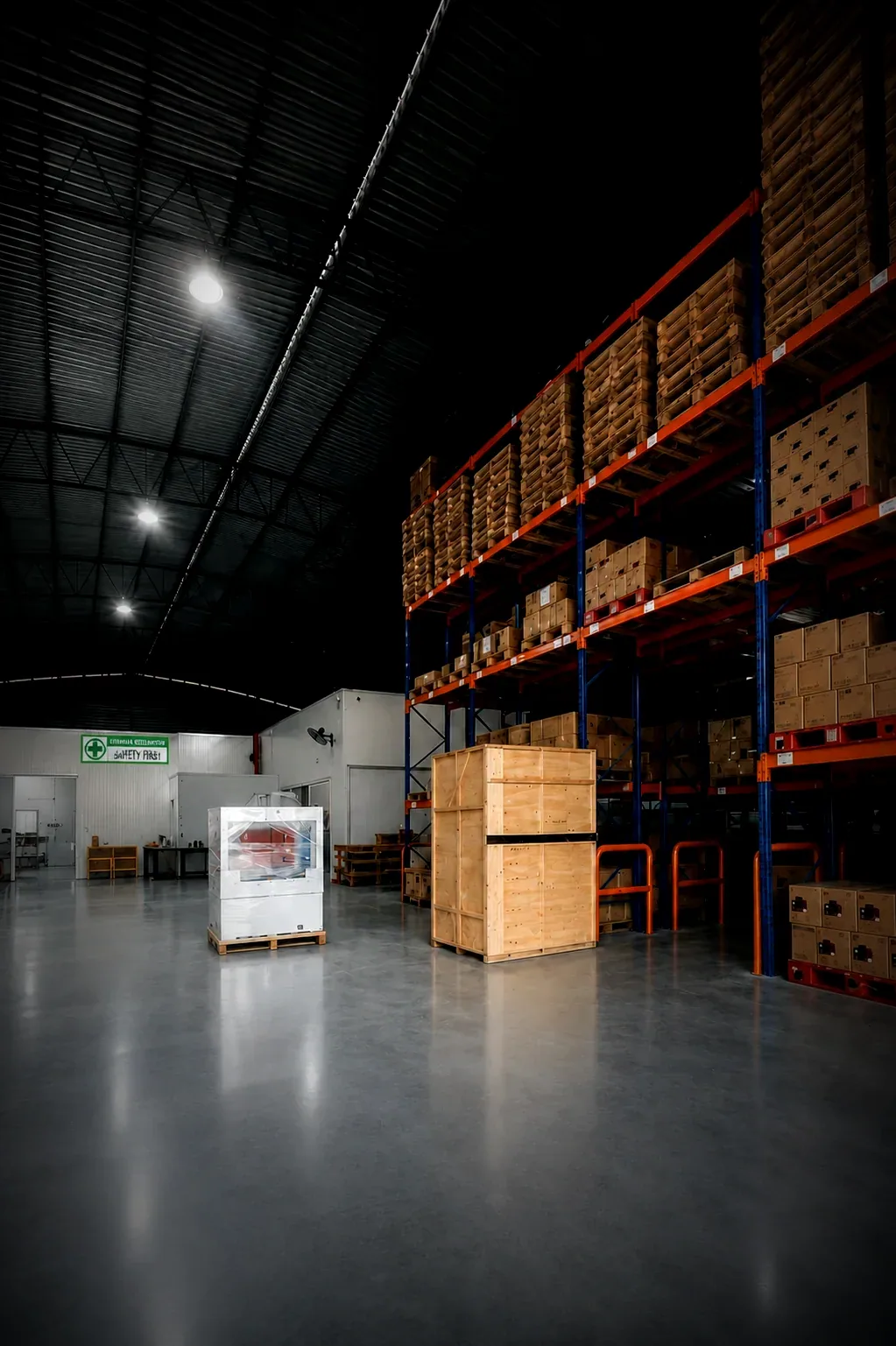
Natural moromi fermentation rather than chemical hydrolysis. Non-GMO soya beans, no added colouring, no chemical soy sauce and no hydrolysed vegetable protein.
Our flagship soy sauces are fermented for 180 days, and we take the first draw rather than blending it back. A research partnership with Universiti Sains Malaysia is working to shorten that cycle without losing the character it produces.
Production runs through defined, monitored stages — raw material intake, fermentation, extraction, blending, quality control, bottling, packaging and distribution.
Product development covers formulation, sensory work, packaging and regulatory support, both for our own brands and for OEM, ODM and OBM customers.
Inside the process
Soy sauce is not blended — it is grown. These are the stages the mash passes through before it ever reaches a bottle.
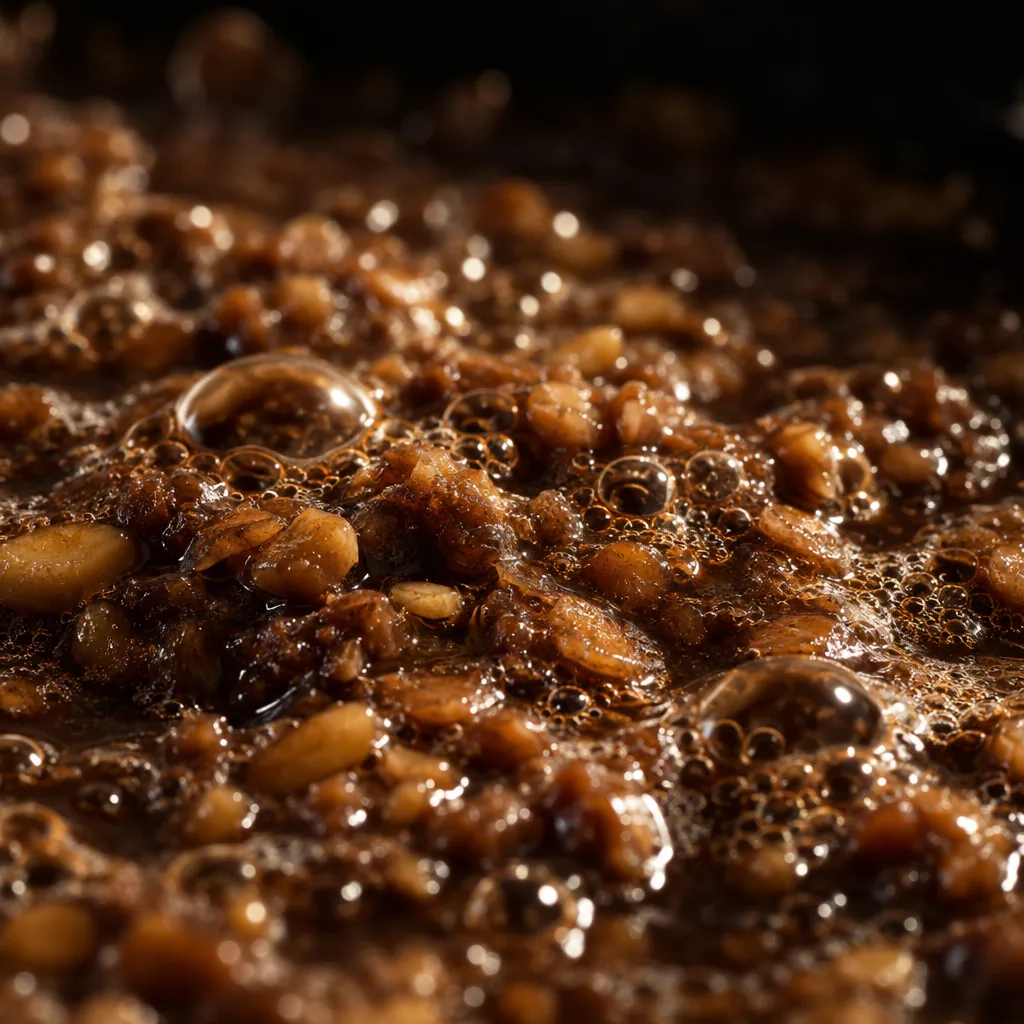
The soybean and wheat mash, held in brine while enzymes break it down. Temperature and salinity are the two variables that decide the finished flavour.
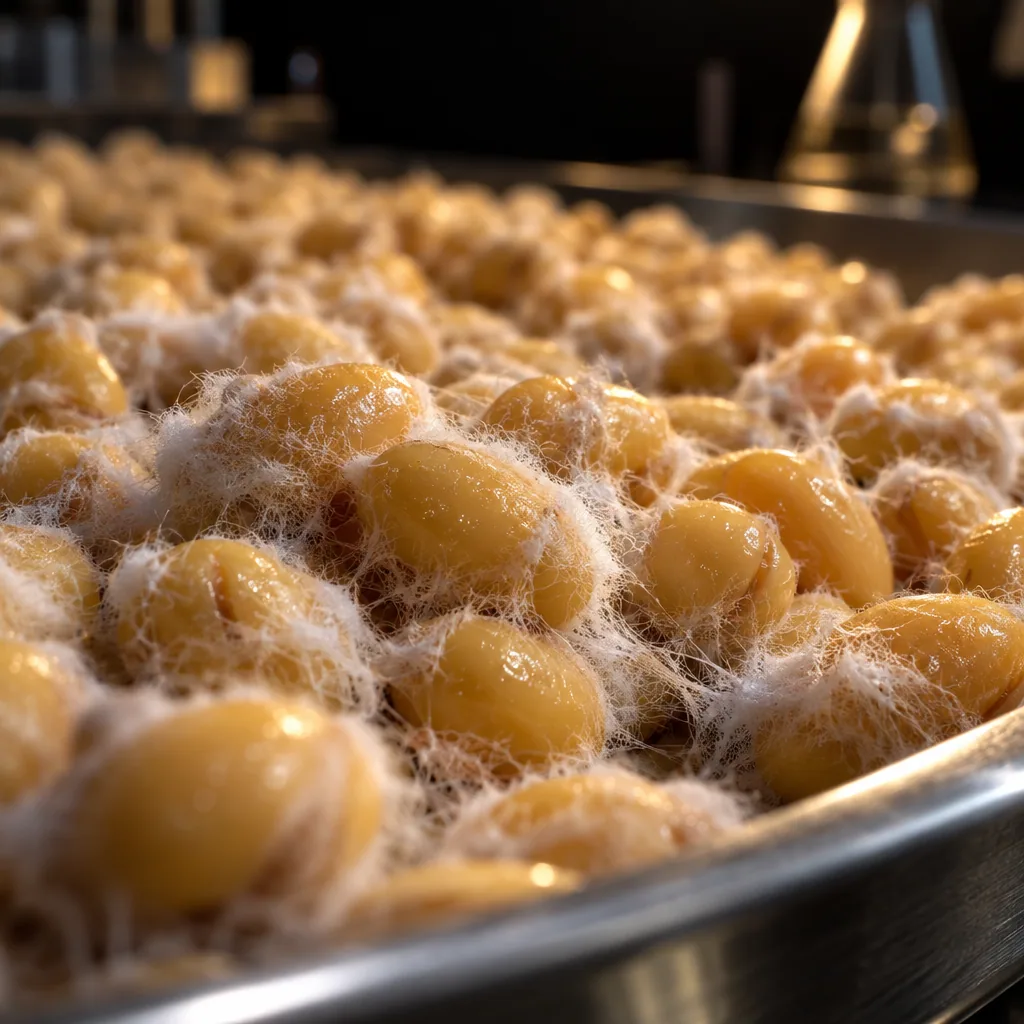
Steamed soybeans inoculated with a culture and left to grow a fine white mycelium. This is the first stage of fermentation, and the one that sets the character of the sauce.

Samples are drawn through the cycle and checked for aroma, colour, salinity and total nitrogen, so each batch can be traced from intake to filling.
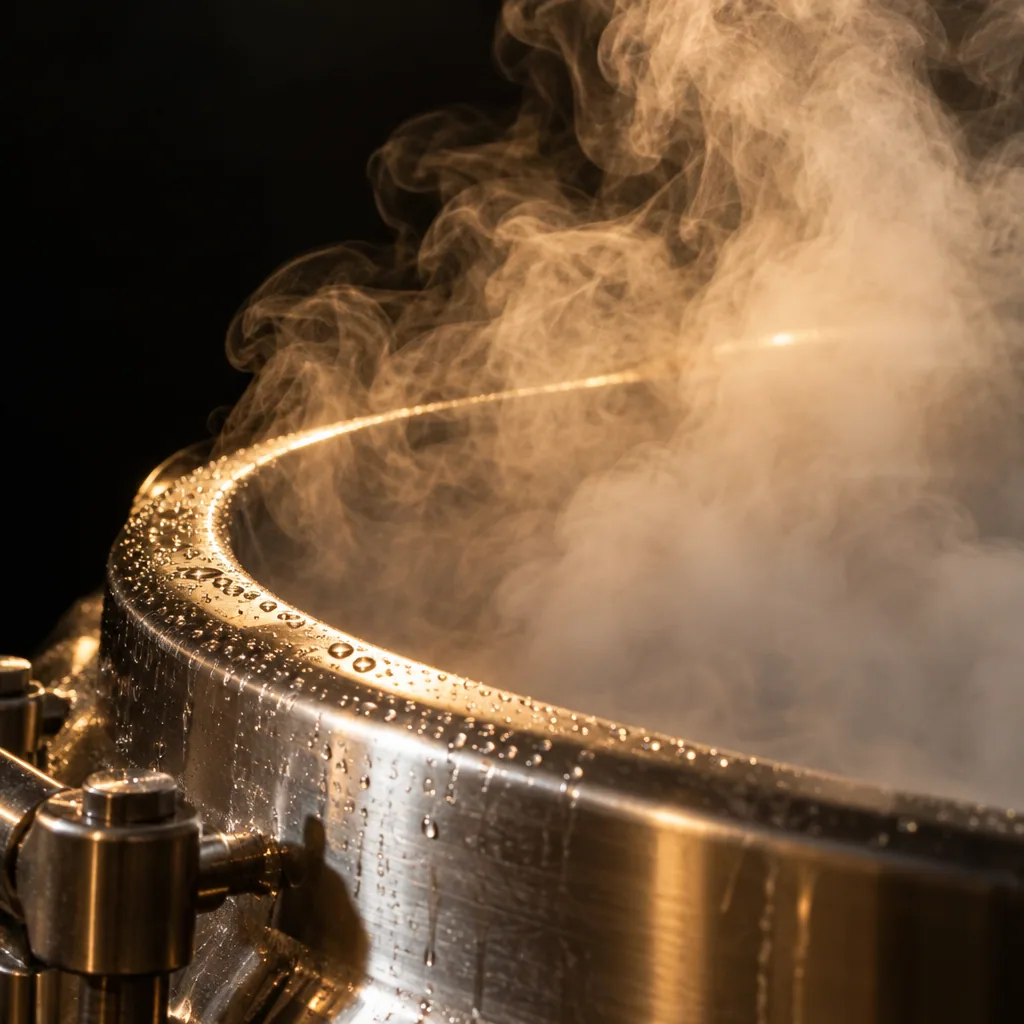
Steam cooks the beans before inoculation and sterilises vessels and lines between batches. Clean-in-place is built into the schedule, not added on.
Manufacturing
Each stage is a controlled step, not a black box.
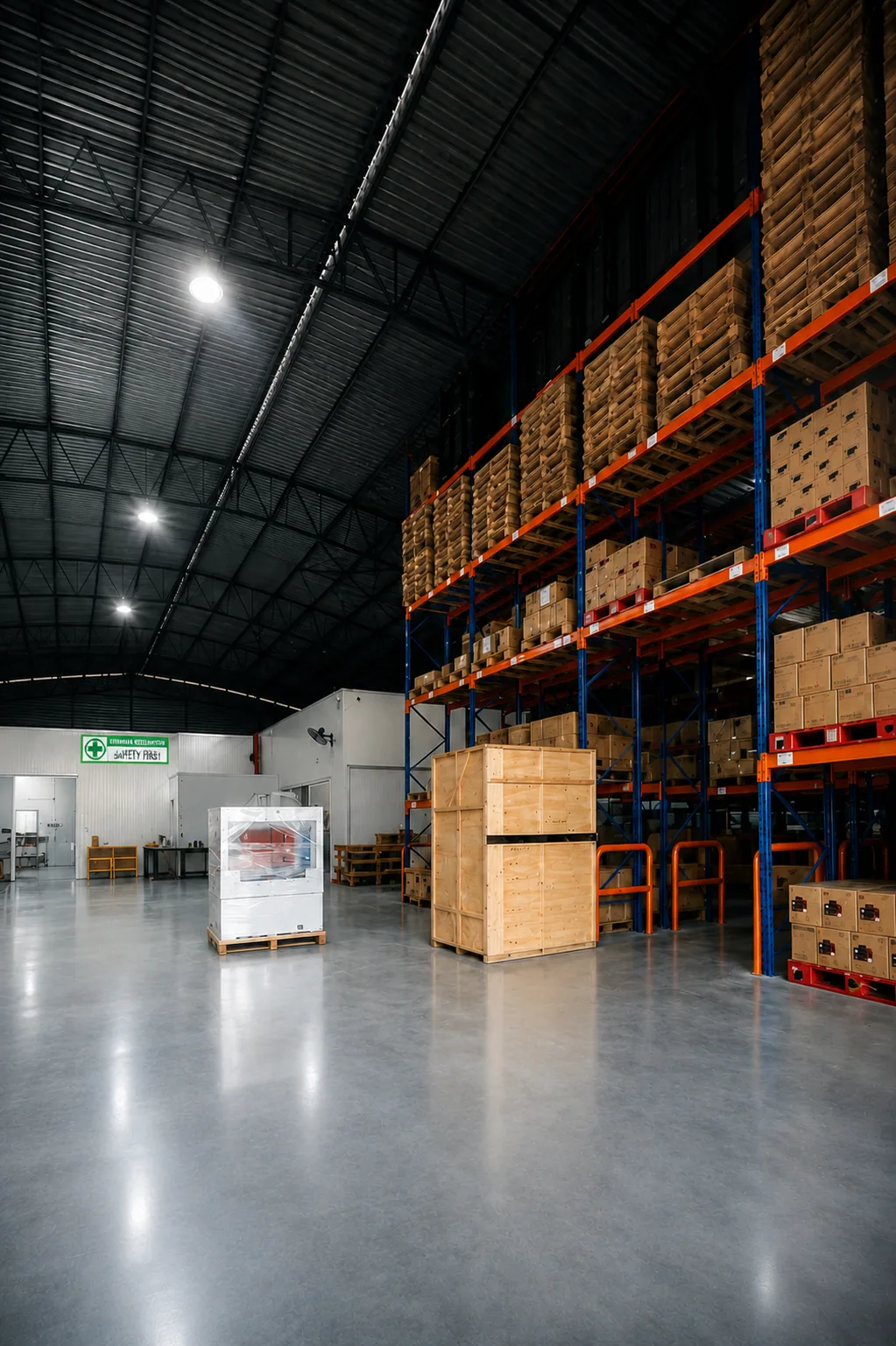
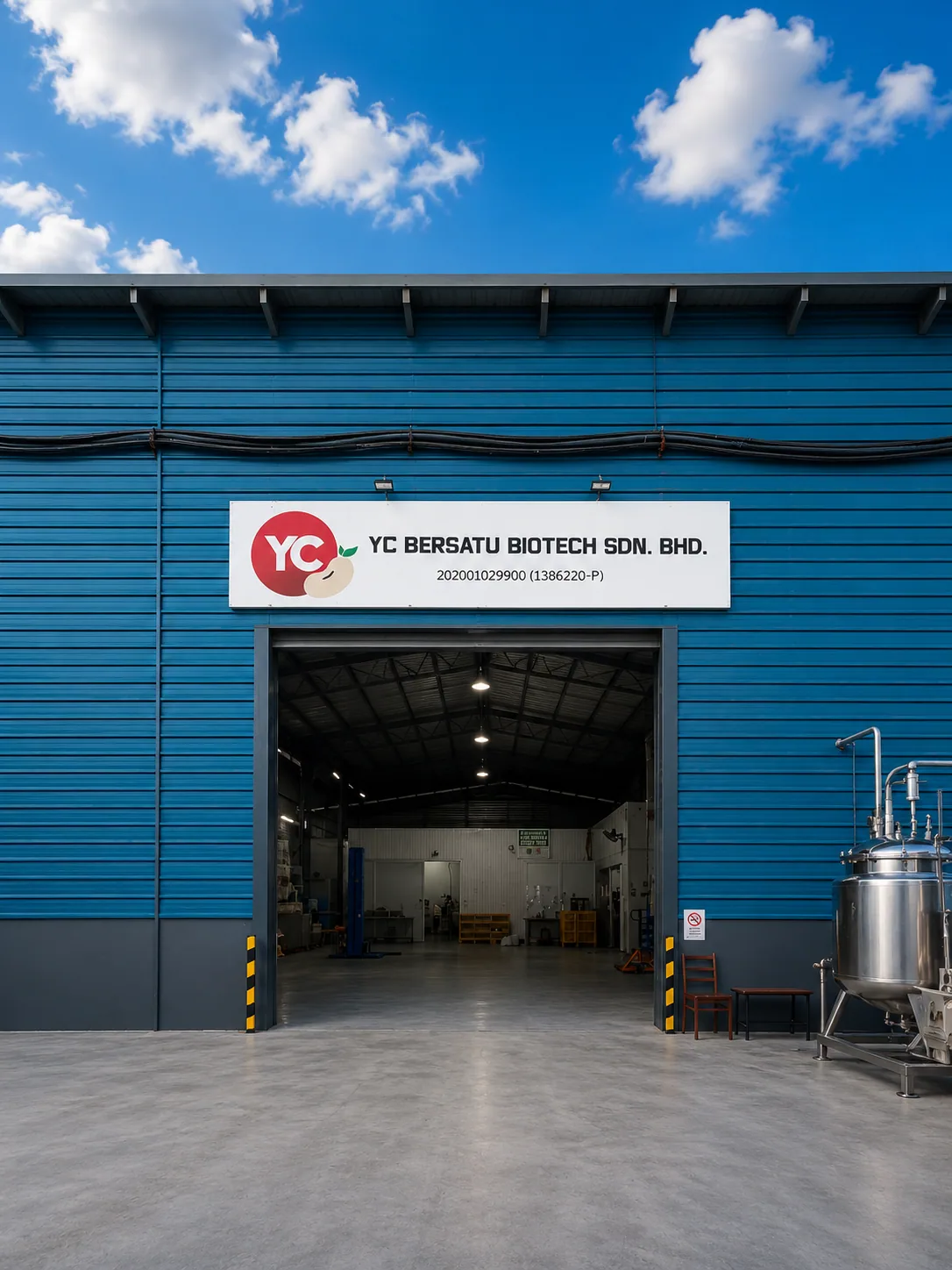
Detailed line specifications — throughput, automation and capacity — are being confirmed with the plant and are not published yet.
Research partnership
Improving moromi fermentation to raise quality and consistency, with a target of shortening the fermentation cycle from over six months to three to four months.